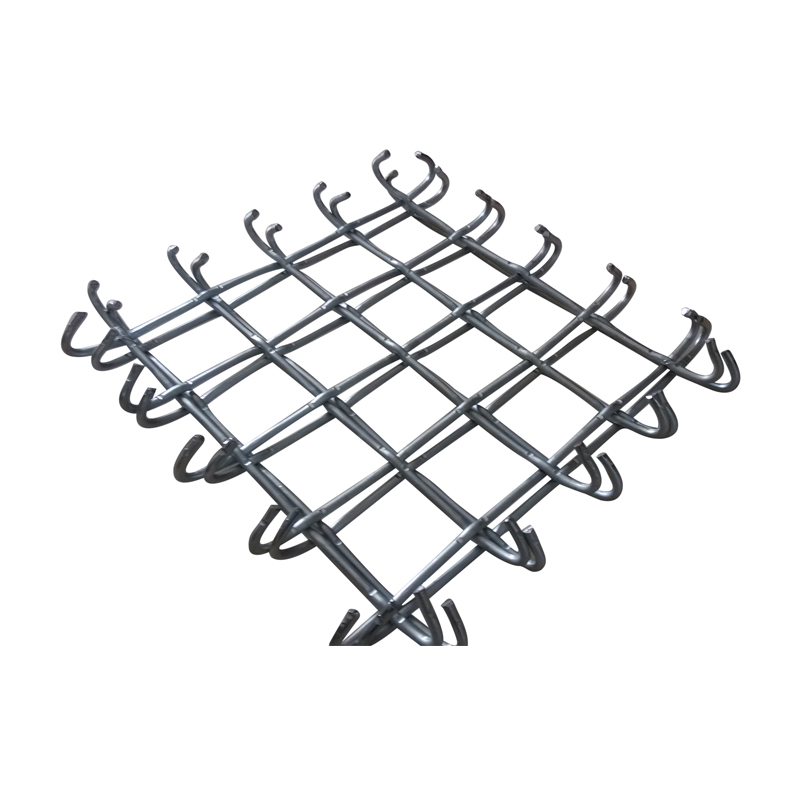
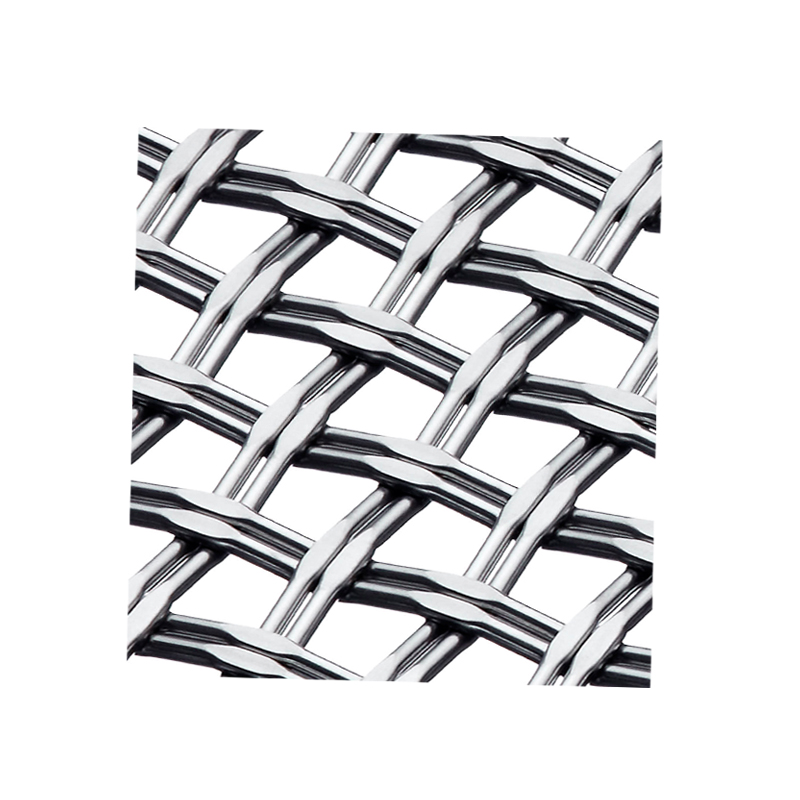
Welded steel wire mesh is typically manufactured in a factory based on designs derived from project blueprints. Once these designs are certified by the relevant design institute and review authorities, the mesh can be used in construction projects.
There are three methods for laying steel wire mesh: The first is the "overlap" method, where one mesh panel is placed directly on top of another; this is generally used for one-way steel wire mesh layouts. The second is the "interlocking" (or "nested") method, where one mesh panel is positioned so that its transverse (cross) wires align on the same plane, while its longitudinal (main) wires sit on a different plane; this is commonly used for thinner concrete slabs. The third is the "butt-joint" (or "flush-lap") method, where the wires of one mesh panel are interleaved with those of another, ensuring that both the longitudinal and transverse wires of both panels lie on the same plane.
Regardless of the overlapping method used, the installation must meet the following four criteria: First, all wires from both mesh panels must be fully integrated at the overlap point. Second, the overlapping area must be secured using tie wire. Third, the thickness of the concrete protective cover over the overlap area must comply with relevant technical standards. Finally, the overlap area should be consistent, and the joints should be positioned where the bending moment is at its minimum.
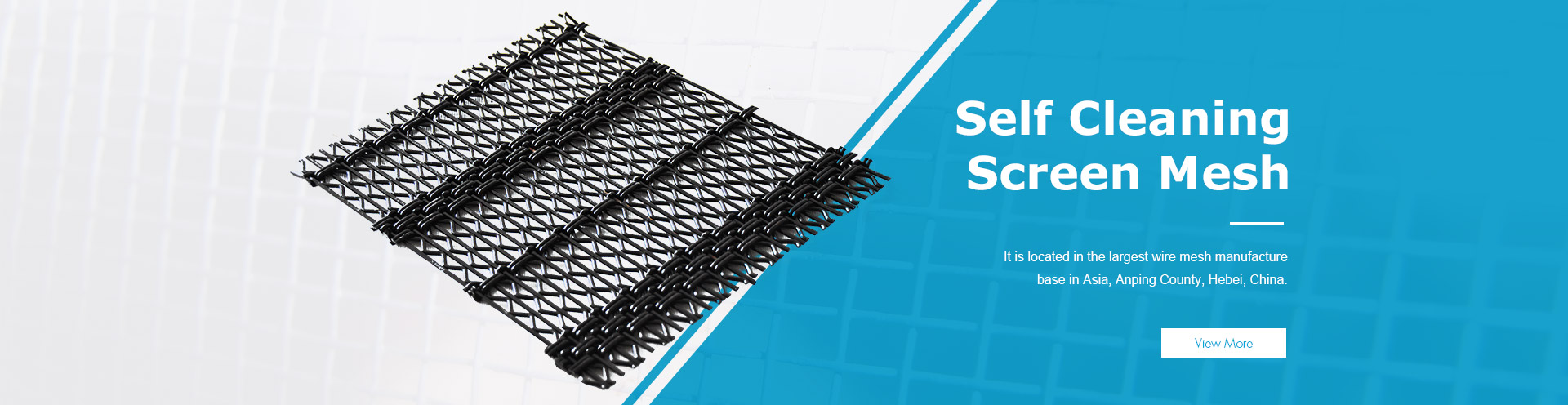
There is a wide variety of steel wire mesh available, differing based on materials and manufacturing processes. The most common type is construction-grade steel wire mesh, which is often galvanized—an anti-corrosion treatment that extends its service life.
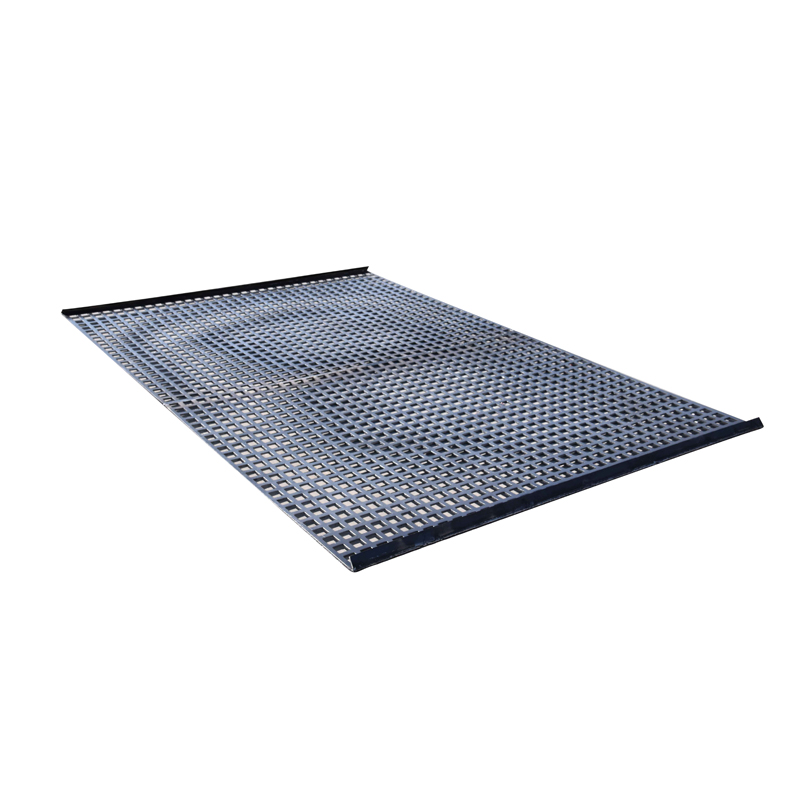
Construction-grade steel wire mesh is made from low-carbon steel wire, welded together using precision equipment through a specialized process. After being formed into a mesh, the material undergoes a galvanizing (zinc-coating) treatment. The finished product features a smooth surface, uniform mesh openings, excellent structural integrity, and high rigidity. It remains stable even when subjected to localized pressure, making it an exceptional construction material.
Galvanized steel wire mesh has a broad range of applications, spanning the construction, transportation, and industrial sectors. If you are looking to purchase high-quality, reliable products, it is advisable to compare different manufacturers. As society develops at an accelerating pace, the construction of buildings is shifting between old and new, with the city constantly undergoing renovations—including the renewal of existing walls. During this process, it is common to find that some walls have sustained damage and lost their original structural integrity. In such cases, galvanized steel mesh is employed. Because new and old wall sections are constructed at different times, the materials used for them may also differ.
When cracks appear at the interface between old and new wall sections—or when the thickness of the plaster exceeds a certain threshold—it becomes necessary to incorporate galvanized steel mesh. In this context, the mesh serves as an intermediate reinforcing layer. Furthermore, during the initial stages of wall construction—particularly when only the frame structure is in place—galvanized steel mesh can be installed and secured with a nail gun to enhance the overall strength of the wall. Ultimately, this steel mesh acts as a structural support within the wall, helping to minimize cracking at the junctions between old and new sections while providing essential reinforcement.